Blog
How to Identify International Energy Tenders in Africa ? The Complete Guide
by Alexandre Guillemot 13 min read
Identifying energy tenders in Africa requires monitoring four fragmented layers: national procurement portals, state-owned utilities (like Eskom or ONEE), regional power pools (WAPP, SAPP), and international donor platforms (World Bank, AfDB).
Africa’s Energy Demand Boom: Demographics, Electrification Needs and Market Opportunities
Africa is undergoing one of the fastest socio-economic transformations in the world. With a population of 1.4 billion people in 2024, projected to reach 2.5 billion by 2050, the continent is growing at an unprecedented speed. Urbanisation is accelerating just as rapidly: by 2035, Africa is expected to host nearly 100 additional cities with more than one million inhabitants. These demographic shifts are creating enormous pressure on infrastructure, public services, mobility, water supply and most importantly, access to reliable electricity.
According to the International Energy Agency (IEA), the African Development Bank and the World Bank, the electrification challenge remains immense:
-
Over 600 million people still lack access to electricity (IEA, 2023)
-
In sub-Saharan Africa, 4 out of 10 people have no grid connection (World Bank, 2022)
-
More than 80% of unelectrified populations live in rural areas
-
Energy demand is projected to triple by 2040 (IEA Africa Energy Outlook)
-
Closing the energy gap requires over $100 billion per year (AfDB, 2022)
This situation is driving a historic wave of energy-sector investment across Africa. Countries are multiplying projects in:
-
Utility-scale solar PV and hybrid plants
-
Battery Energy Storage Systems (BESS)
-
Transmission and regional interconnection corridors
-
Mini-grids and off-grid electrification
-
Hydropower and geothermal development
-
Desalination and water-energy PPPs
-
Utility modernisation and grid digitalisation
-
Clean-energy transition and climate-resilience programmes
Yet despite this booming pipeline, identifying public tenders and procurement opportunities in Africa’s energy sector remains extremely challenging.
If you would like to learn more about how to identify opportunities in energy infrastructure in France, we invite you to consult our dedicated article
Why is finding African energy tenders so difficult?
The African energy sector is evolving rapidly. With demographic growth, urban expansion and increasing industrial activity, African governments and utilities are launching more energy and infrastructure projects than ever before. This growth has triggered a surge in public tenders, donor-funded programmes and procurement opportunities.
Yet one challenge persists: visibility.
Fragmented Procurement Landscape: Why Energy Tenders in Africa Are Hard to Track ?
African energy procurement is a fragmented patchwork of national, regional, and donor-funded platforms, making manual monitoring structurally incomplete.
Unlike Europe, where procurement is standardised (see: How to Track Infrastructure Public Tenders in Europe?),Africa relies on a patchwork of platforms, making monitoring extremely difficult.
Energy tenders appear across:
-
National procurement portals
-
Ministers and utilities (Eskom, KPLC, ONEE…)
-
Regional power pools (WAPP, EAPP, SAPP)
-
Donor platforms (AfDB, World Bank, EU…)
-
Local authorities and municipal portals
-
Renewable-energy agencies
-
PDF bulletins and non-indexed pages
There is no single source, making exhaustive monitoring nearly impossible manually.
To learn more about identifying international energy tenders, consult our dedicated article.
Generic Titles Hide Energy Projects
Generic tender titles often hide massive solar or grid projects under broad administrative labels like ‘Institutional Support’ or ‘Rural Development Phase II
Another difficulty is the way tenders are titled. Many renewable-energy or electrification-related tenders are embedded within larger development initiatives and do not explicitly mention their technical scope. Tenders rarely include clear terms like solar, renewables, BESS or electrification in their titles.
Common examples:
-
_Technical Assistance for Energy Sector Reform
_
-
_Institutional Performance Support
_
-
_Rural Development Phase II
_
Inside, these may hide:
-
Solar PV feasibility
-
Mini-grid deployment
-
Transmission upgrades
-
BESS studies
This situation is similar to the challenges described in The Hidden Challenge: Finding Engineering Tenders in Africa’s Energy Sector.
It means that relying on keywords alone is insufficient; opportunities need to be fully read and analysed.
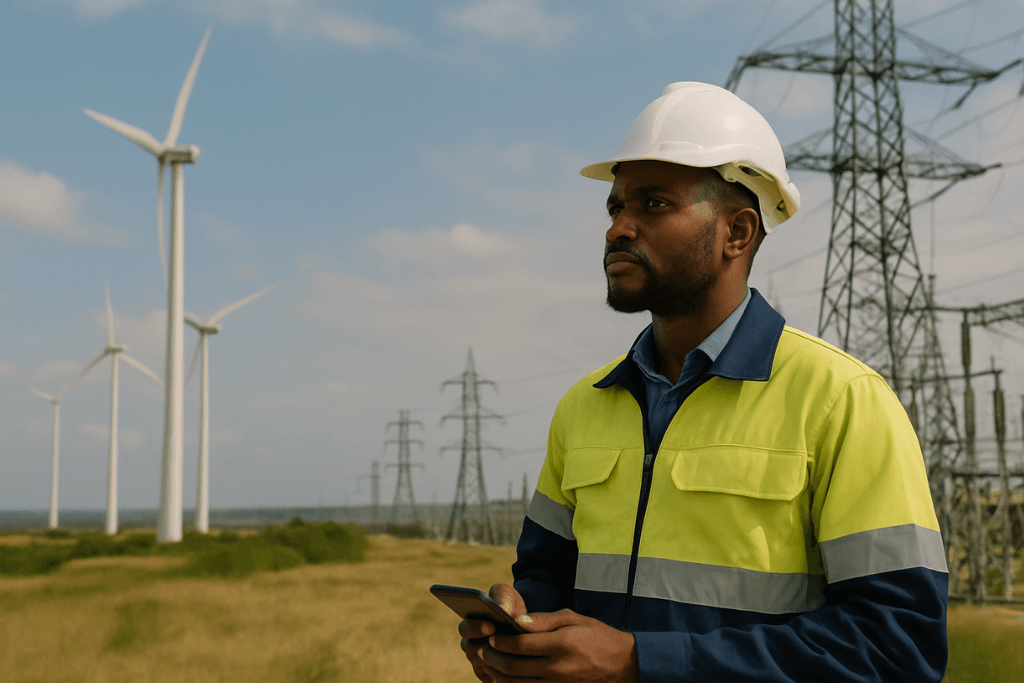
Types of Energy Tenders Emerging Across Africa’s Renewable and Grid Sectors
Africa’s energy-transition landscape produces many categories of tenders:
Renewable energy tenders
-
Solar PV IPPs
-
Wind and hybrid systems
-
BESS and grid-integration solutions
-
Mini-grid and off-grid deployments
-
Hydropower, geothermal, biomass
Transmission and distribution tenders
-
High-voltage transmission lines
-
Distribution upgrades
-
Substation construction
-
SCADA, AMI, digital metering
Feasibility and advisory studies tenders
(as detailed in Finding Financial Advisory Tenders for Infrastructure Projects in Africa)
-
Feasibility studies
-
Transaction advisory
-
PPP structuring
-
Tariff analysis
-
Environmental and social studies
Tenders for institutional and regulatory reforms
-
Energy-transition roadmaps
-
Electrification master plans
-
Grid-modernisation strategies
-
Electrification master planning
Even in mature markets like France, energy-project identification requires structured monitoring (see: How to Identify Photovoltaic Projects in France).
Why Relying on Keywords Alone Fails When Searching for African Energy Tenders ?
Because of administrative terminology and broad development-programme language, energy tenders may not include clear keywords such as solar, PV, renewable, grid, BESS or transmission.
This means:
-
Keyword-only searches miss many opportunities
-
Multilingual monitoring is essential (English, French, Portuguese)
-
PDF extraction and OCR are often required
-
Semantic tender analysis is more reliable than simple filtering
How to automate energy procurement monitoring in Africa?
Given the fragmentation of procurement systems, companies increasingly rely on digital tender-intelligence tools to centralise information.
These systems allow teams to:
-
Monitor hundreds of procurement sources simultaneously
-
Aggregate tenders from governments, utilities, donors and municipalities
-
Extract and scan non-searchable PDF documents
-
Detect energy-sector keywords and semantic patterns
-
Receive alerts when relevant tenders are published
In an environment where deadlines are short and competition is high, early visibility is a major competitive advantage.
To discover how artificial intelligence is transforming the monitoring of tenders in France and internationally, feel free to read our dedicated article on the subject.
Where to Find Energy Tenders in Africa ?
To identify energy tenders effectively, companies must monitor several categories of platforms.
A. National procurement portals
-
South Africa – eTenders[: https://www.etenders.gov.za
-
Kenya – Public Procurement Information Portal[: https://tenders.go.ke
-
Ghana – Public Procurement Authority[: https://ppa.gov.gh
-
Morocco – Portail des Marchés Publics: [https://www.marchespublics.gov.ma
-
Senegal – ARMP[: https://www.marchespublics.sn
-
Nigeria – Bureau of Public Procurement[: https://www.bpp.gov.ng
B. Public utilities and national energy agencies
-
ONEE (Morocco): https://www.onee.ma
-
Eskom (South Africa)[: https://www.eskom.co.za
-
ECG (Ghana): https://www.ecg.gov.gh
-
Kenya Power (KPLC)[: https://kplc.co.ke
-
KenGen (Kenya)[: https://www.kengen.co.ke
-
REA (Nigeria – Rural Electrification Agency)[: https://rea.gov.ng
C. Regional organisations
-
ECREEE[: https://www.ecreee.org
-
WAPP[: https://www.ecowapp.org
-
EAPP[: https://eappool.org
-
SAPP: https://sapp.co.zw
D. Donor institutions
-
World Bank[: https://projects.worldbank.org/en/projects-operations/procurement
](https://projects.worldbank.org/en/projects-operations/procurement)
-
African Development Bank[: https://www.afdb.org/en/projects-and-operations/procurement
](https://www.afdb.org/en/projects-and-operations/procurement)
-
EU – EuropeAid: https://ec.europa.eu/international-partnerships/funding
Monitoring these manually is extremely time-consuming, which is why automation is often necessary.
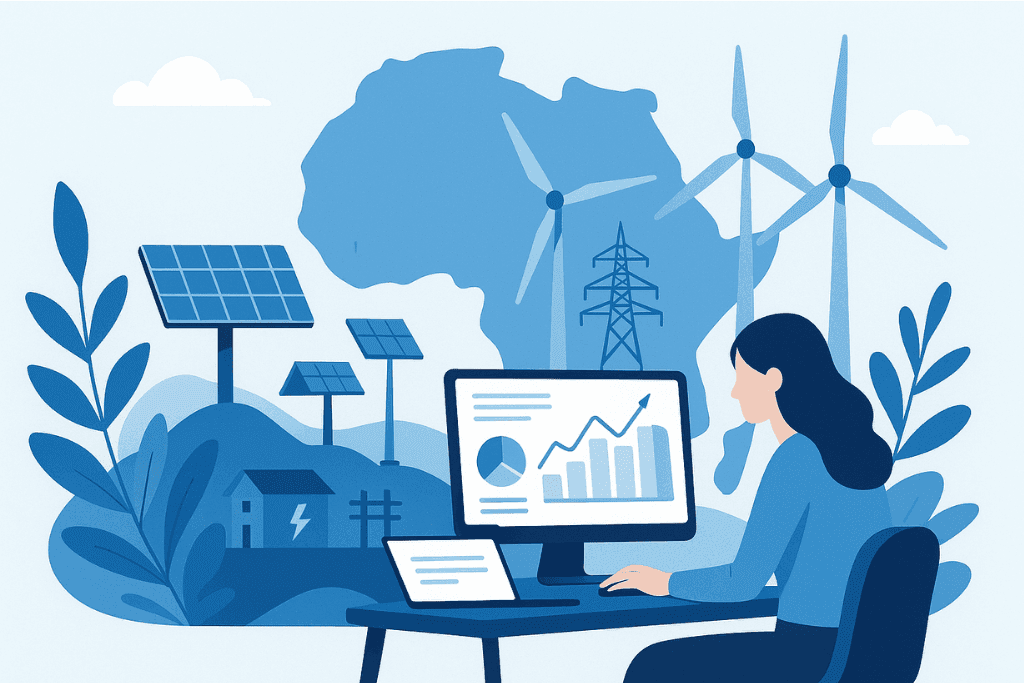
10-step checklist to identify international tenders in Africa
The simultaneous monitoring of English, French, and Portuguese procurement sources is mandatory to capture 100% of the Sub-Saharan energy market.
Identifying public tenders in Africa’s energy sector requires a structured, multi-layered approach. Because tenders are dispersed across ministries, utilities, donor agencies and regional bodies, a simple keyword search is never enough. Below is a more detailed and operational checklist, including examples and clarifications to strengthen each point.
To expand your pipeline in renewable markets, you can also explore our deep dive on how to identify solar tenders in Africa.
Monitor national procurement platforms
Every African government maintains an official procurement authority or e-tendering system. These portals publish everything from grid extension works to solar electrification contracts.
For example, South Africa’s eTenders or Kenya’s PPIP regularly post EPC, supply, and consultancy tenders for generation, transmission and distribution projects.
Track public utility and ministry websites
Utilities often publish tenders before they appear on national portals.
Examples:
-
ONEE (Morocco) posts solar pumping, grid rehabilitation and HV line projects.
-
Eskom (South Africa) issues frequent tenders related to transformers, metering, SCADA upgrades and substation works.
Follow regional power-pool and energy-agency platforms
Many renewable and grid-integration tenders originate from regional agencies.
Examples:
-
ECREEE publishes feasibility studies and TA for solar mini-grids across West Africa.
-
WAPP posts interconnection and harmonisation tenders, often linked to donor-funded programmes.
Subscribe to donor procurement systems
Major donors fund a significant share of Africa’s energy investments. Their portals publish feasibility studies, policy support, EPC contracts and advisory mandates.
Examples:
-
The World Bank releases energy-access programme tenders (e.g., mini-grids in Nigeria, solar home systems in East Africa).
-
The African Development Bank regularly posts transmission studies, utility optimisation projects, or renewable energy integration assignments.
Use OCR tools to analyse scanned PDFs
A large number of tenders are still posted as scanned documents without searchable text. Without OCR, key opportunities remain invisible because keyword filters can’t detect their content.
Track tenders in English, French and Portuguese
Africa uses three main procurement languages:
-
English (Anglophone countries)
-
French (Francophone West & Central Africa)
-
Portuguese (Mozambique, Angola, Guinea-Bissau)
A solar electrification tender may be published as électrification rurale, rural power supply, or electrificação rural, making multilingual monitoring essential.
Use semantic search instead of keyword-only filters
Keyword searches miss tenders whose titles are vague.
Semantic analysis helps detect tenders where solar, BESS or grid components are hidden inside broad programmes like:
-
_institutional support
_
-
_sector reform
_
-
_capacity building
_
-
infrastructure preparation
_
_
Set alerts for energy and infrastructure keywords
Companies should track terms such as:
-
PV, solar, mini-grid, electrification, hybrid systems
-
BESS, storage, transmission, distribution
-
TA, feasibility, grid rehabilitation, EPC, PPP
This improves visibility over both technical and non-technical tenders.
Understand procurement calendars by country
Many countries launch tenders in cycles aligned with budget years or donor disbursements.
Examples:
-
East African countries often publish grid-related tenders in Q1 after budget approvals.
-
West African donor-funded tenders spike in Q2–Q3.
Mapping these cycles improves prediction and preparedness.
Automate tender monitoring whenever possible
Given the volume of platforms, automation saves time and dramatically reduces the risk of missing opportunities.
Digital tender-intelligence systems can scan hundreds of sources daily and generate curated alerts for solar, transmission, electrification and feasibility-related tenders
Keywords for Tracking Renewable, Electrification and Infrastructure Tenders in Africa
Identifying international tenders in Africa’s energy sector requires tracking a mix of general, technical and long-tail keywords. Many procurement notices use administrative language rather than explicit terms like “solar” or “renewable”, making keyword strategy essential.
Below is a detailed list of high-value search terms, including long-tail keywords, and why each of them is relevant when tracking public procurement.
Energy tenders Africa
This broad, high-volume keyword captures all types of energy-sector procurement notices, from EPC contracts to feasibility studies. Many governments use the generic term “energy” rather than specifying technologies in their tender titles.
Renewable energy tenders Africa
This long-tail keyword is more specific and targets tenders involving solar, wind, hydro, biomass, geothermal and hybrid systems. It is especially relevant for IPPs, developers and consultants focused on clean-energy markets.
Electricity procurement Africa
Used in many official notices, especially for grid rehabilitation, distribution upgrades, metering systems and transmission-line projects. Ministries and utilities often classify their RFPs under “electricity procurement” rather than “renewables”.
Solar PV tenders Africa
One of the fastest-growing categories. This keyword captures:
-
utility-scale solar plants
-
mini-grid PV systems
-
solar hybridisation projects
-
rooftop public-sector tenders
It is critical for EPC contractors, developers and equipment suppliers.
Infrastructure public tenders Africa
Energy tenders are often embedded in broader “infrastructure” programmes that include roads, water, urban planning or industrial zones. This keyword helps catch hidden opportunities, especially donor-funded projects.
Africa electrification projects
Essential for organisations involved in:
-
national electrification master plans
-
rural electrification
-
mini-grid deployment
-
last-mile connectivity
-
universal access strategies
Many tenders mention “electrification” without specifying solar, grid extension or hybrid systems.
Donor-funded energy tenders
World Bank, AfDB, EU, KfW, JICA, AFD and MCC publish hundreds of tenders per year, often with high budgets. This keyword is strategic because many projects are not listed on national procurement portals but only on donor platforms.
IPP renewable tenders Africa
Independent Power Producer (IPP) tenders are among the most competitive and high-value opportunities. They involve:
-
utility-scale solar PV
-
wind farms
-
hybrid power stations
-
grid-connected storage systems
This keyword specifically targets developers, financiers, advisors and EPCs.
Public procurement in African energy sector
A broader institutional keyword used by procurement authorities, regulatory bodies and development programmes. It is highly effective for identifying tenders published under formal administrative classifications.
Rural electrification tenders Africa
A critical long-tail keyword, as many energy tenders in Africa focus on rural areas where electrification needs remain highest. It is especially relevant for:
-
mini-grid operators
-
SHS companies
-
electrification consultants
-
distribution contractors
Solar EPC tenders sub-Saharan Africa
EPC-focused tenders are often labelled with terms like “design and build”, “turnkey”, “construction” or “engineering works”, without explicitly stating “solar PV”. This keyword helps target large-scale infrastructure and construction packages related to PV deployment.
Conclusion: Visibility Is the Determining Factor in Winning African Energy Tenders
Africa is experiencing one of the world’s most significant energy expansions, from solar PV and BESS to transmission and electrification. But the hardest part is not writing bids, it is knowing that the tender exists.
A structured, technology-supported monitoring strategy is essential for companies seeking to position themselves at the forefront of Africa’s energy transition.
In this context, relying on a platform for international energy tender intelligence makes it possible to centralise fragmented African procurement sources, uncover hidden energy projects, and identify high-value opportunities across the continent at an early stage.
If you need a reliable and automated way to monitor energy tenders in Africa, including solar PV, rural electrification programmes, grid-modernisation projects, BESS tenders, IPP procurement rounds, donor-funded infrastructure opportunities and consulting assignments, contact us or request a live demo to access real-time, curated alerts across the entire continent.
In summary:
- Information Overload: Africa is booming, but the data is invisible without the right tools.
- Language Barrier: Multilingual monitoring (EN, FR, PT) is a strategic necessity.
- Semantic Advantage: Move beyond keywords to find “hidden” opportunities.
- The Winner’s Edge: Use Deepbloo to centralize thousands of sources and act before the competition.
Frequently asked questions
Where are energy tenders in Africa published?
They are scattered across national e-GP portals, utility websites (like ONEE or Eskom), and donor platforms (World Bank, AfDB).
How to find solar tenders in Sub-Saharan Africa?
Beyond keywords, you must analyze "Rural Electrification" programs funded by international donors, which often include large PV lots.
Why is manual monitoring ineffective in Africa?
Because many notices are published as scanned PDFs or in local languages (French, Portuguese) that standard keyword alerts cannot read.
What are the best keywords for African energy tenders?
Use a combination of technical terms (BESS, PV, SCADA) and administrative terms (Institutional Support, Sector Reform, Feasibility).